
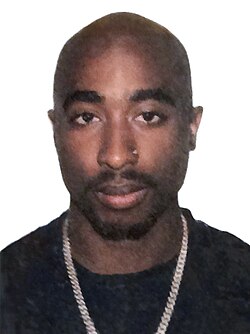
In loving memory of
Tupac Shakur
June 16, 1971 — September 13, 1996
He is one of the best-selling and most influential music artists ever. His powerful songs mixed raw street life with deep thoughts on social problems
A life through time
Timeline of cherished moments
Milestones, everyday joys, and chapters that helped shape Tupac Shakur.
- June 16, 1971
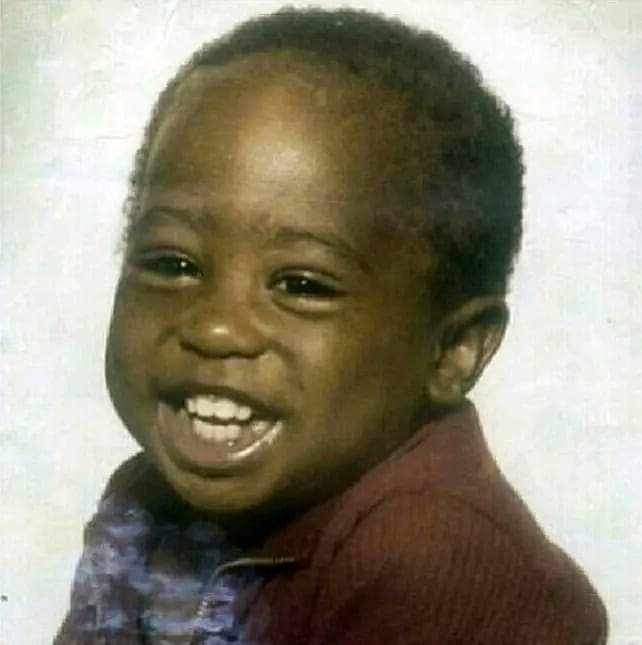
Born
⌖ East Harlem, Manhattan, New York City
Tupac was born Lesane Parish Crooks to Afeni Shakur and Billy Garland, both of whom had been associated with the Black Panther Party. His mother had recently been acquitted in the highly publicized Panther 21 conspiracy trial. He was later renamed Tupac Amaru Shakur after the Indigenous Peruvian revolutionary Túpac Amaru II. His politically active family and the hardships surrounding his childhood strongly influenced his later worldview and music.
- 1984
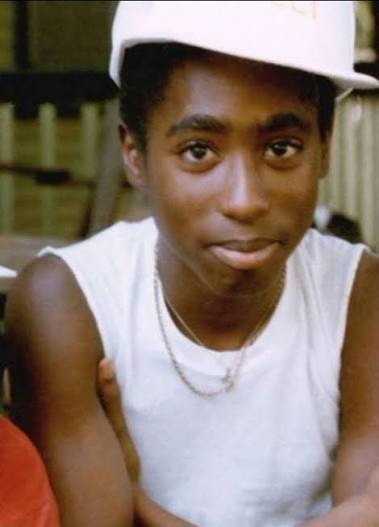
Family Moves to Baltimore
⌖ Baltimore, Maryland
At approximately 13 years old, Tupac moved with his mother and younger sister from New York to Baltimore. He attended Roland Park Middle School and Paul Laurence Dunbar High School. Baltimore exposed him to a new social environment while giving him opportunities to develop his interest in writing and performing.
- 1986
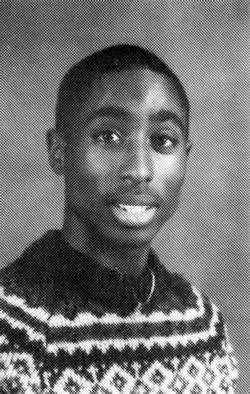
Enrolls at the Baltimore School for the Arts
⌖ Baltimore, Maryland
Tupac entered the Baltimore School for the Arts, where he studied acting, poetry, jazz, dance and ballet. He performed Shakespeare and appeared as the Mouse King in a production of The Nutcracker. During this period, he formed an important friendship with classmate Jada Pinkett. His arts education helped shape the expressive delivery, theatrical presence and emotional range later heard in his recordings.
- 1988
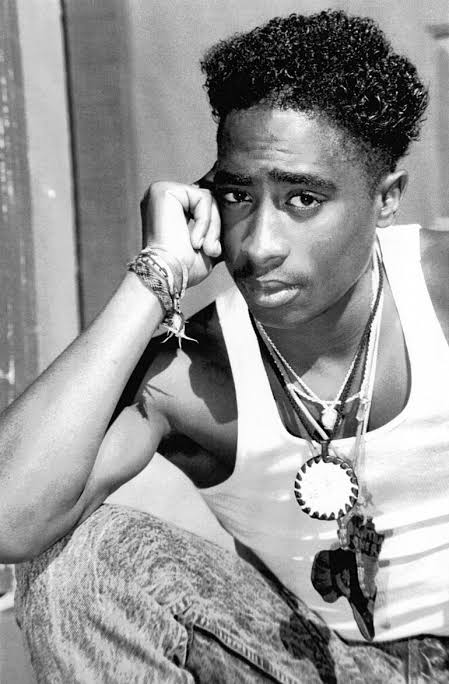
Moves to the San Francisco Bay Area
⌖ Marin City, California
Shortly before his senior year, Tupac and his mother relocated to Marin City, north of San Francisco. He attended Tamalpais High School but did not complete his education there. The transition removed him from Baltimore’s structured arts community and placed him in surroundings marked by poverty and street violence. He nevertheless continued writing poetry, performing and pursuing music.
- 1988
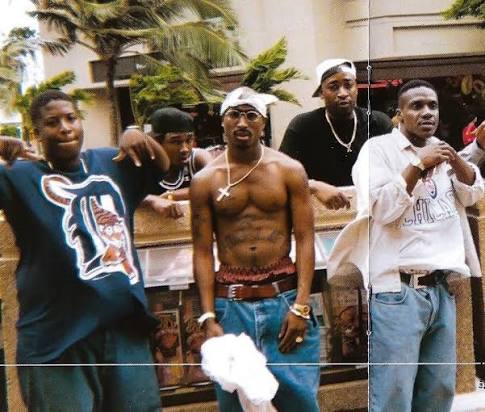
Begins Performing as MC New York
⌖ San Francisco Bay Area, California
Tupac began recording and performing under the name MC New York. He attended poetry workshops led by Leila Steinberg, who became an early manager and mentor. Steinberg helped arrange performances for Tupac and his group Strictly Dope, bringing him into contact with people who could help him enter the professional music industry.
- 1990
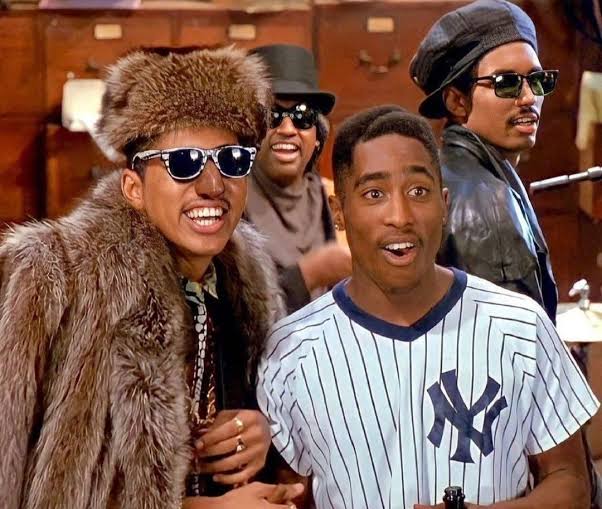
Joins Digital Underground
⌖ Oakland, California
Tupac joined Digital Underground initially as a roadie, dancer and hype man. The humorous funk-influenced group gave him valuable touring and recording experience. Group leader Shock G became an important supporter of Tupac’s early career and later helped produce material for his first solo album.
- January 3, 1991
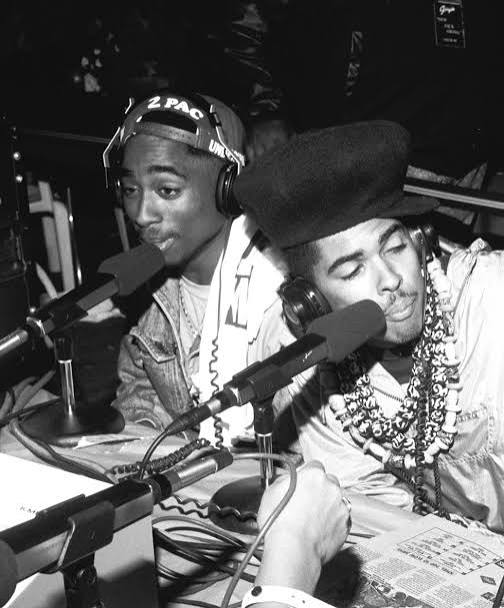
Makes His National Recording Debut on “Same Song”
⌖ United States
Tupac delivered a guest verse on Digital Underground’s “Same Song,” released in connection with the film Nothing but Trouble. He also appeared in the music video dressed as an African king. The appearance introduced his voice and image to a national audience and marked the beginning of his commercially released recording career.
- November 12, 1991
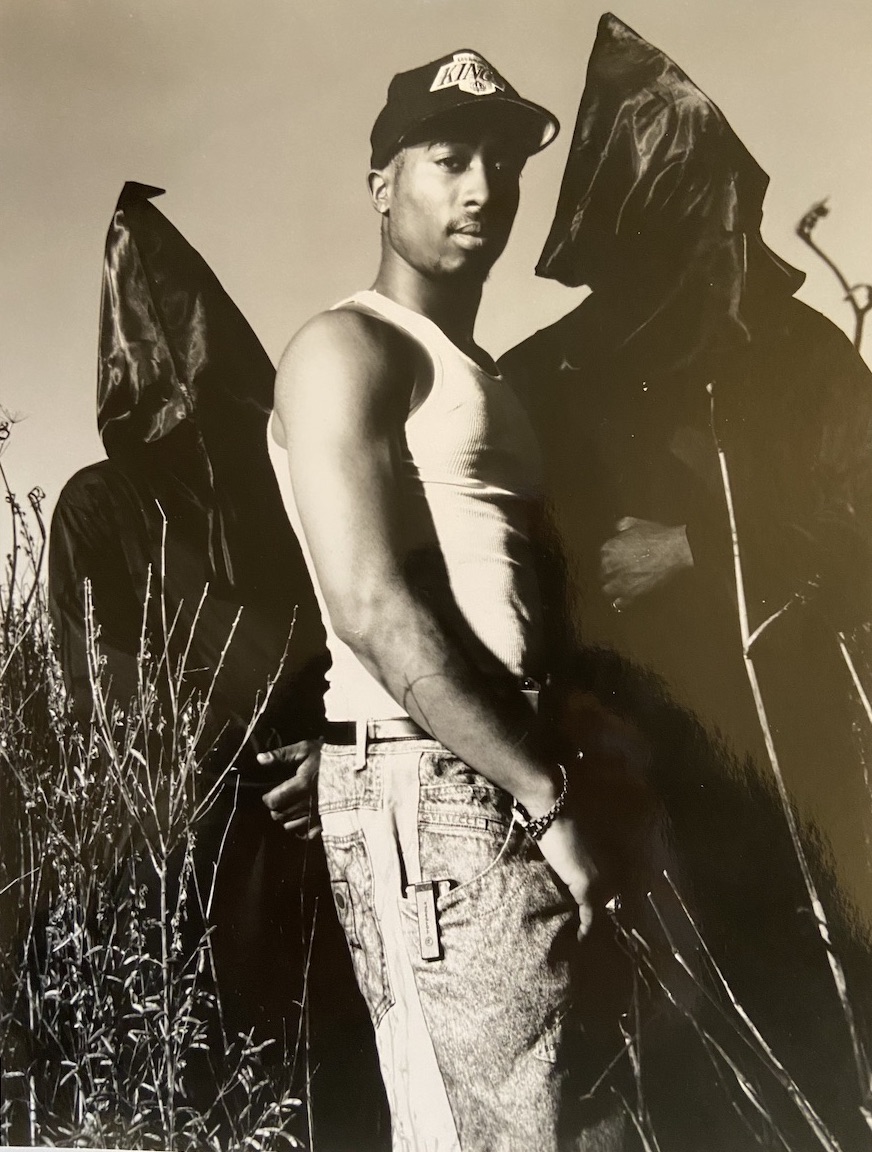
Releases “2Pacalypse Now”
⌖ United States
Tupac released his first solo album, 2Pacalypse Now. Its songs addressed police brutality, racism, poverty, teenage pregnancy and violence affecting impoverished communities. Tracks such as “Brenda’s Got a Baby” and “Trapped” established him as a socially conscious storyteller. The album also generated political controversy, including criticism from Vice President Dan Quayle.
- January 17, 1992
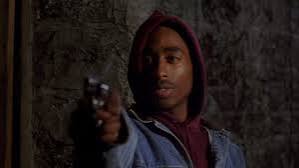
Breakthrough Acting Role in “Juice”
⌖ United States
Tupac appeared as Roland Bishop in Juice, portraying a troubled young man whose desire for power turns increasingly violent. His intense performance demonstrated that he was more than a recording artist and established him as a serious young actor. Bishop became one of his best-known screen roles.
- February 16, 1993
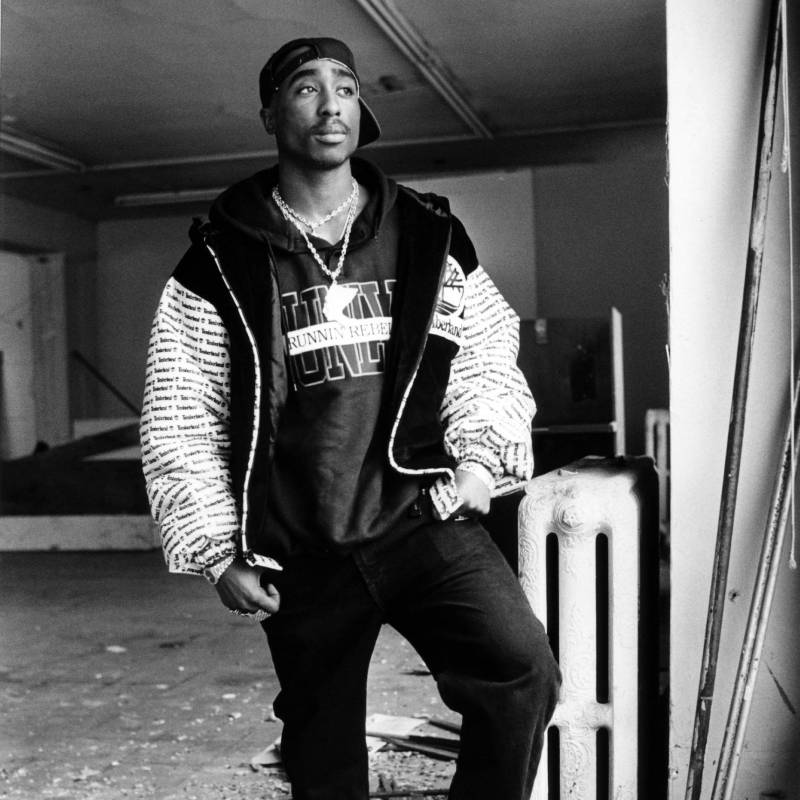
Releases “Strictly 4 My N.I.G.G.A.Z...”
⌖ United States
Tupac’s second solo album expanded his commercial audience. It included “Keep Ya Head Up,” “I Get Around” and “Holler If Ya Hear Me.” The record illustrated the contrasting sides of his public identity: political anger, empathy toward women, party music and defiant street-oriented expression.
- June 23, 1993
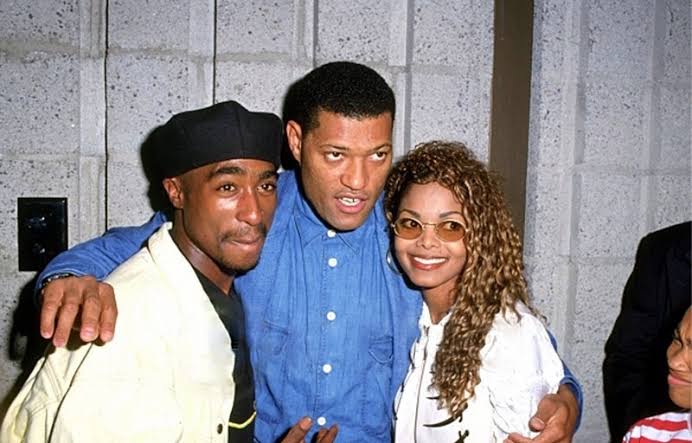
Stars Opposite Janet Jackson in “Poetic Justice”
⌖ United States
Tupac played Lucky, a postal worker and aspiring musician, opposite Janet Jackson in John Singleton’s Poetic Justice. The romantic drama allowed him to present a more vulnerable and restrained screen persona than the menacing Bishop in Juice. The film further strengthened his position as both a recording artist and actor.
- October 31, 1993
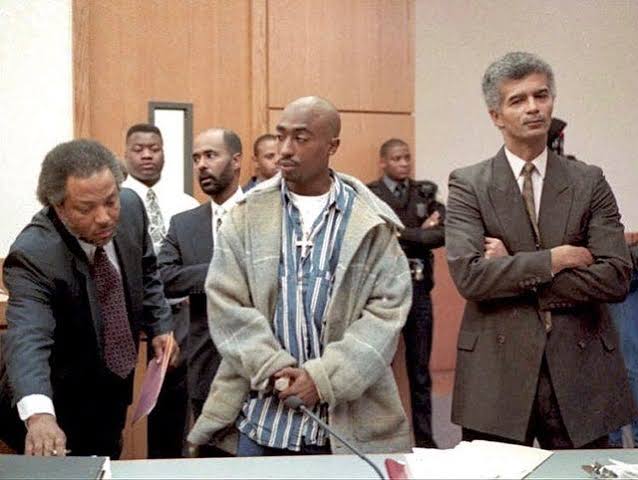
Atlanta Confrontation with Two Off-Duty Police Officers
⌖ Atlanta, Georgia
Tupac was arrested after shooting and wounding two off-duty police officers during a street confrontation. Accounts of the incident differed, but Tupac and members of his group maintained that he intervened after seeing the officers confront a Black motorist and that one officer fired first. Charges were eventually dropped after problems emerged concerning the officers’ conduct, weapons and statements to investigators.
- 1994
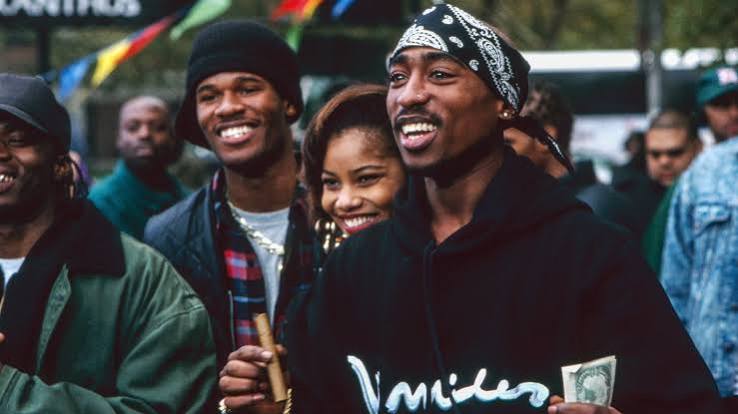
Forms Thug Life and Appears in “Above the Rim”
⌖ United States
Tupac appeared as the volatile drug dealer Birdie in the basketball drama Above the Rim, released in March. He also led the group Thug Life, whose album Thug Life: Volume 1 was released in September. Tupac described “Thug Life” as a broader philosophy concerning the consequences society creates when children grow up surrounded by deprivation, violence and neglect.
- November 30, 1994
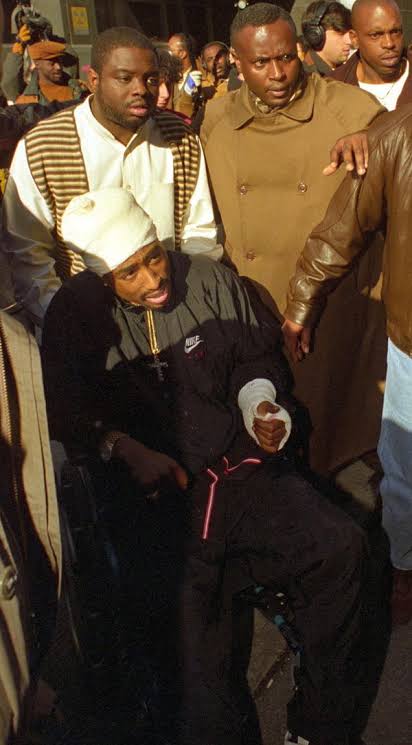
Shot and Robbed at Quad Recording Studios
⌖ Times Square, Manhattan, New York City
Tupac was attacked in the lobby of Quad Recording Studios and suffered multiple gunshot wounds during an apparent robbery. He survived and left the hospital shortly afterward. Tupac came to believe that people associated with the New York rap world knew more about the attack than they admitted. His suspicions—denied by those he accused—contributed significantly to the increasingly hostile East Coast–West Coast rap conflict.
- December 1, 1994
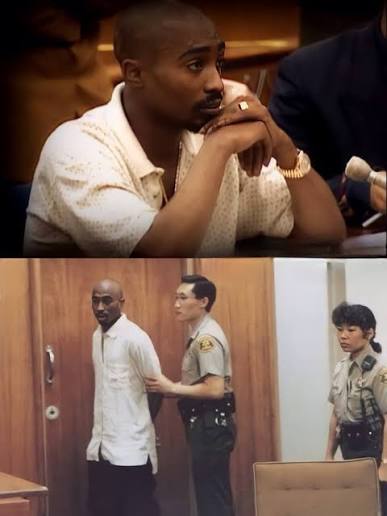
Convicted of First-Degree Sexual Abuse
⌖ Manhattan, New York City
A jury acquitted Tupac of sodomy and weapons counts but convicted him of two counts of first-degree sexual abuse arising from a 1993 encounter in a Manhattan hotel room. Tupac denied sexually assaulting the woman. He was later sentenced to a prison term of one-and-a-half to four-and-a-half years while continuing to appeal the conviction.
- February 14, 1995
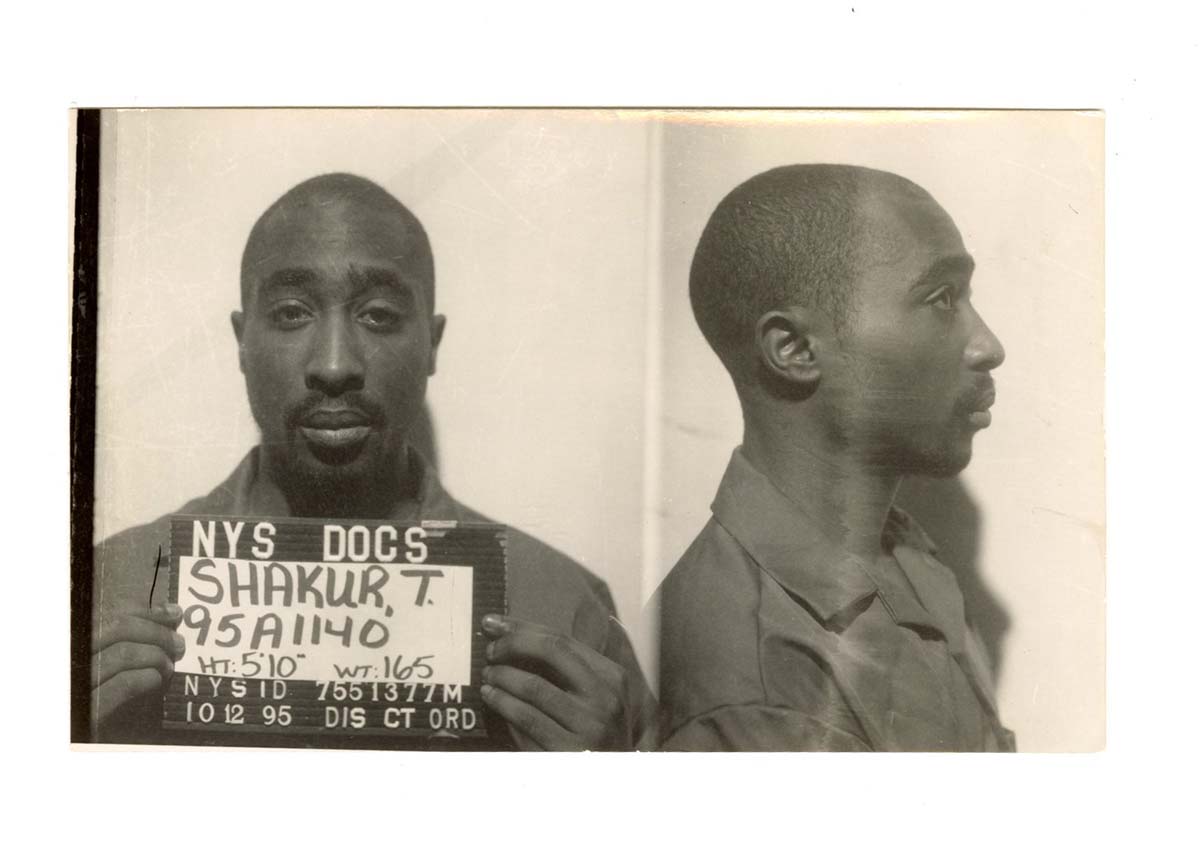
Begins Serving Prison Sentence
⌖ New York State
Tupac began serving his sentence and was eventually housed at Clinton Correctional Facility. While imprisoned, he read extensively, wrote and conducted interviews reflecting on his career and circumstances. His imprisonment intensified his feelings of isolation, betrayal and persecution, themes that became increasingly prominent in his work.
- March 14, 1995
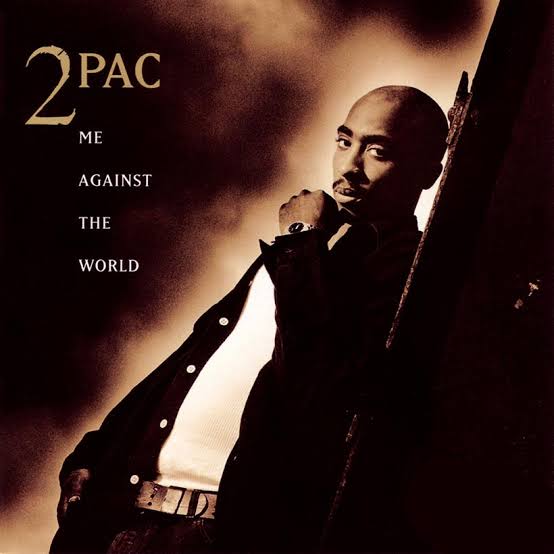
Releases “Me Against the World” While Imprisoned
⌖ United States
Released nationally while Tupac was imprisoned in New York
Description - Me Against the World debuted at number one on the Billboard 200 while Tupac was incarcerated, making his success during imprisonment an extraordinary moment in popular music. The introspective album included “Dear Mama,” “So Many Tears” and the title track. It is widely regarded as one of his most personal and accomplished records. - April 29, 1995
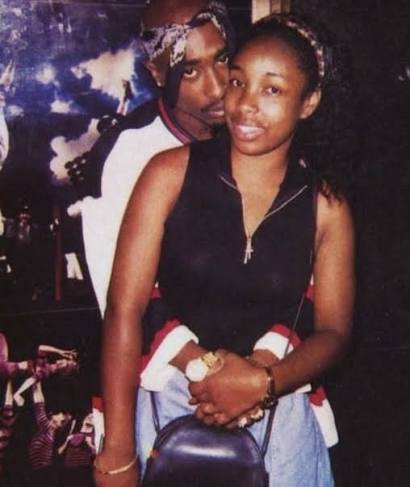
Marries Keisha Morris
⌖ New York
Tupac married Keisha Morris while serving his prison sentence. Their marriage was comparatively brief and was later annulled, but Morris remained connected to his family and legacy. The relationship took place during one of the most unstable periods of his personal and professional life.
- October 12, 1995
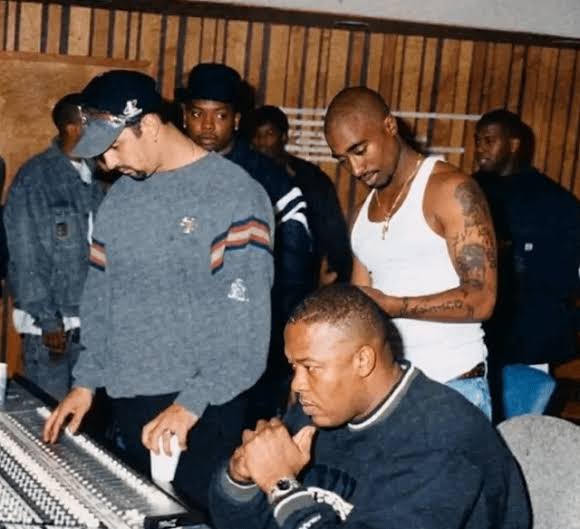
Released from Prison and Joins Death Row Records
⌖ New York and Los Angeles, California
Death Row Records co-founder Suge Knight arranged approximately $1.4 million in bond while Tupac appealed his conviction. Tupac was released after serving roughly eight months and immediately flew to Los Angeles. He signed with Death Row and began an exceptionally productive recording period, completing large amounts of music in less than a year.
- 1995
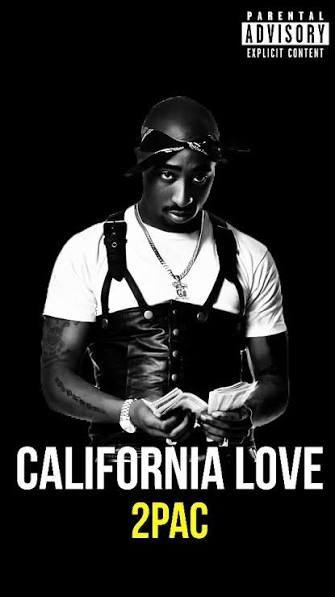
Records and Releases “California Love”
⌖ Los Angeles, California
Tupac appeared with Dr. Dre on “California Love,” one of the defining singles of his career. Its celebratory West Coast sound announced his return from prison and his new association with Death Row Records. The song became a major crossover hit and helped introduce the final, highly visible phase of his career.
- 1996
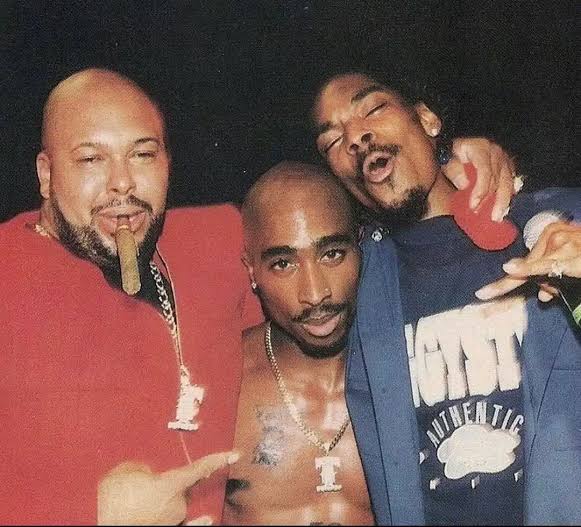
Completes Final Recordings and Film Work
⌖ Los Angeles area, California
During his final summer, Tupac recorded at an extraordinary pace, including material released under the name Makaveli. He also completed acting work in Gridlock’d and Gang Related, both released after his death. This concentrated period left a large archive of recordings that supported numerous posthumous albums and reinforced his reputation as a relentlessly productive artist.
- February 13, 1996
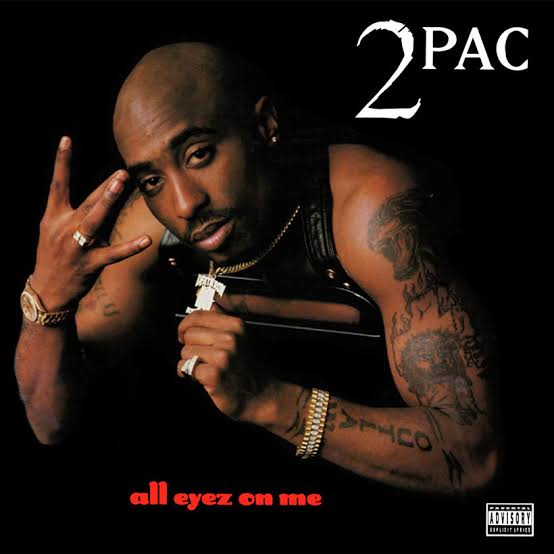
Releases “All Eyez on Me”
⌖ United States
Tupac released All Eyez on Me, a sprawling double album recorded after his release from prison. It included “California Love,” “How Do U Want It,” “Ambitionz Az a Ridah,” “I Ain’t Mad at Cha” and “2 of Amerikaz Most Wanted.” The album became a defining Death Row release and one of the most commercially significant hip-hop albums of its era.
- June 4, 1996
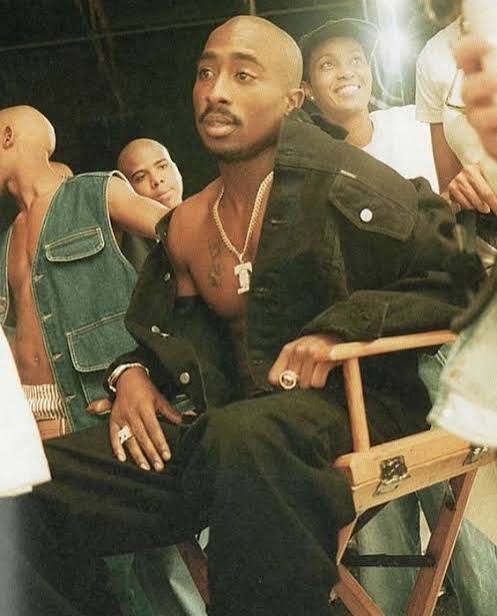
Releases “Hit ’Em Up” as Rap Rivalries Intensify
⌖ United States
“Hit ’Em Up” publicly attacked the Notorious B.I.G., Bad Boy Records and several associated artists. It became one of rap’s most notorious diss tracks and intensified the media-driven East Coast–West Coast conflict. The song reflected Tupac’s unresolved anger over the Quad Studios shooting and helped turn private suspicions and industry competition into an increasingly dangerous public confrontation.
- June 4, 1996
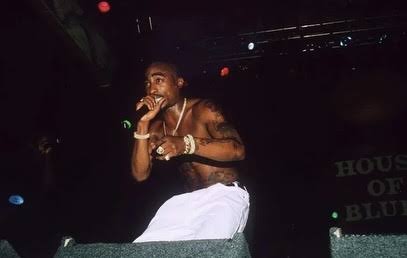
Performs at the House of Blues
⌖ West Hollywood, California
Tupac performed with Snoop Dogg, Tha Dogg Pound, Outlawz and other Death Row artists at the House of Blues. The concert became one of the best-preserved full-length documents of him performing during the final months of his life. His energetic appearance showed that he remained deeply active as a live performer despite the controversies surrounding him.
- September 7, 1996
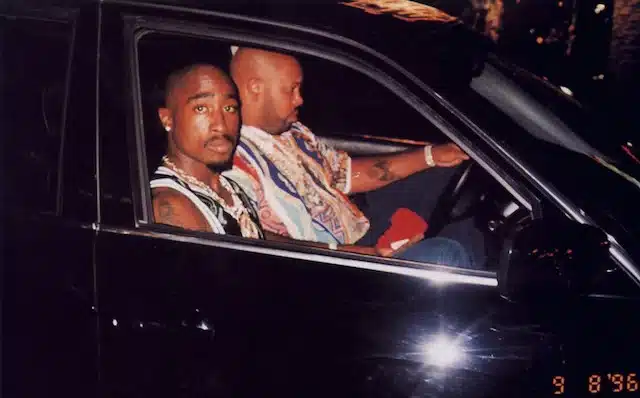
Attends Tyson–Seldon Fight and Takes Part in MGM Grand Altercation
⌖ MGM Grand, Las Vegas, Nevada
Tupac attended the Mike Tyson–Bruce Seldon boxing match with Suge Knight and members of the Death Row entourage. After the fight, Tupac and others were recorded by hotel security cameras attacking Orlando Anderson, a member of the South Side Compton Crips, in the casino. Prosecutors later argued that the confrontation supplied the immediate motive for the shooting that followed.
- September 7, 1996
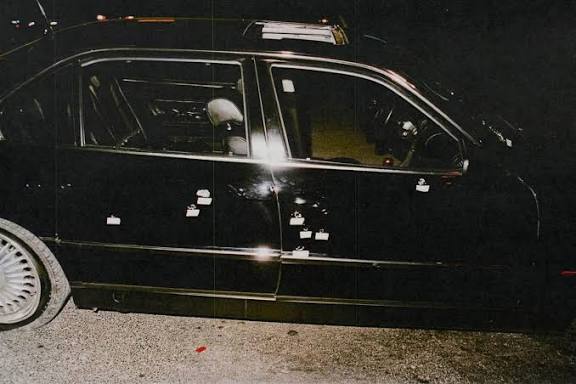
Shot in a Drive-By Attack
⌖ East Flamingo Road and Koval Lane, Las Vegas, Nevada
Tupac was riding in the passenger seat of a black BMW driven by Suge Knight when a white Cadillac pulled alongside at a red light. Gunfire was directed into the BMW, striking Tupac several times. Knight suffered a comparatively minor wound. Tupac was transported to University Medical Center, where he underwent emergency treatment and remained in critical condition.
- September 13, 1996
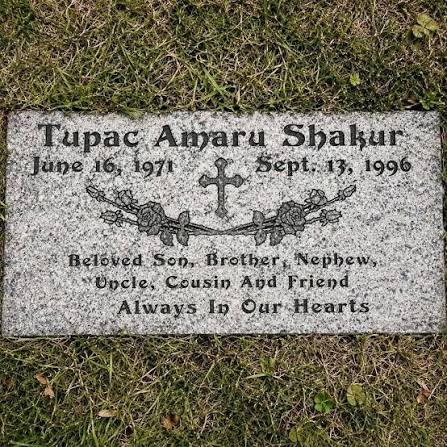
Death of Tupac Shakur
⌖ University Medical Center, Las Vegas, Nevada
Tupac died six days after the shooting at the age of 25. His reported cause of death was respiratory failure and cardiopulmonary arrest associated with multiple gunshot wounds. His death brought an exceptionally prolific career to an end after only a few years of national fame. The killing remained without a criminal charge for nearly three decades.
- November 5, 1996
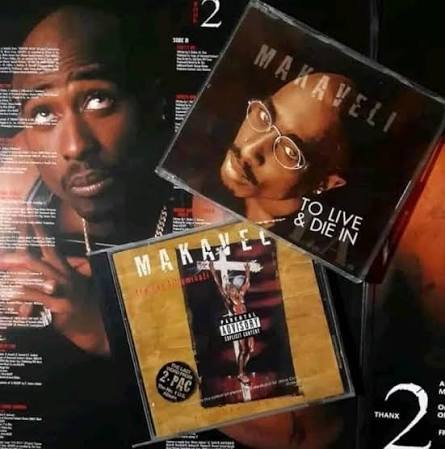
“The Don Killuminati: The 7 Day Theory” Is Released
⌖ United States
Tupac’s final completed studio project was released posthumously under the name Makaveli. Recorded during an intense period in the summer of 1996, the album included “Hail Mary,” “To Live & Die in L.A.” and “Toss It Up.” Its imagery, lyrics and release shortly after his death contributed to persistent speculation and mythology surrounding his final months.
- 1997
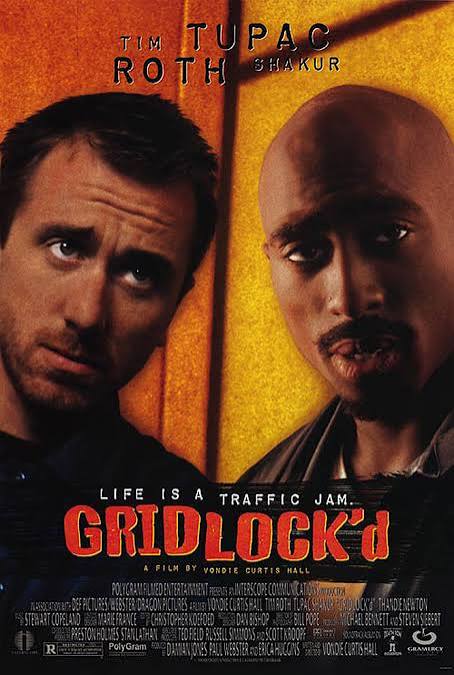
Release of Gridlock'd
⌖ United States
Gridlock’d, featuring Tupac as a musician attempting to escape drug addiction, was released in January 1997.
- January 1, 1997
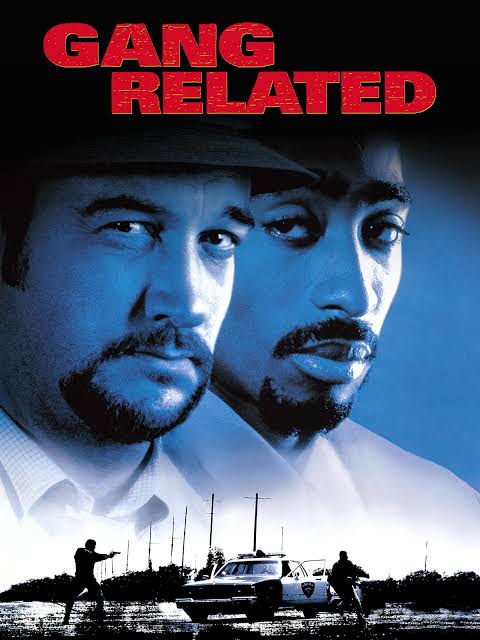
Release of Gang Related
⌖ United States
Gang Related, in which he played a corrupt police detective, released in October. The performances demonstrated the range his acting career was beginning to achieve and suggested that he might have developed into a major film actor had he lived.
- June 23, 2010
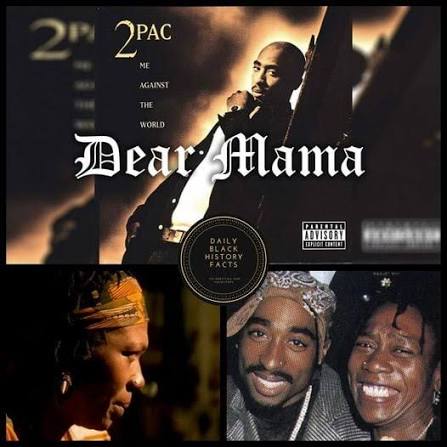
“Dear Mama” Enters the National Recording Registry
⌖ Library of Congress, Washington, D.C.
The Library of Congress selected “Dear Mama” for preservation in the National Recording Registry. The honor recognized the recording’s cultural, historical and aesthetic importance, particularly Tupac’s candid portrayal of his complicated but loving relationship with his mother.
- April 7, 2017
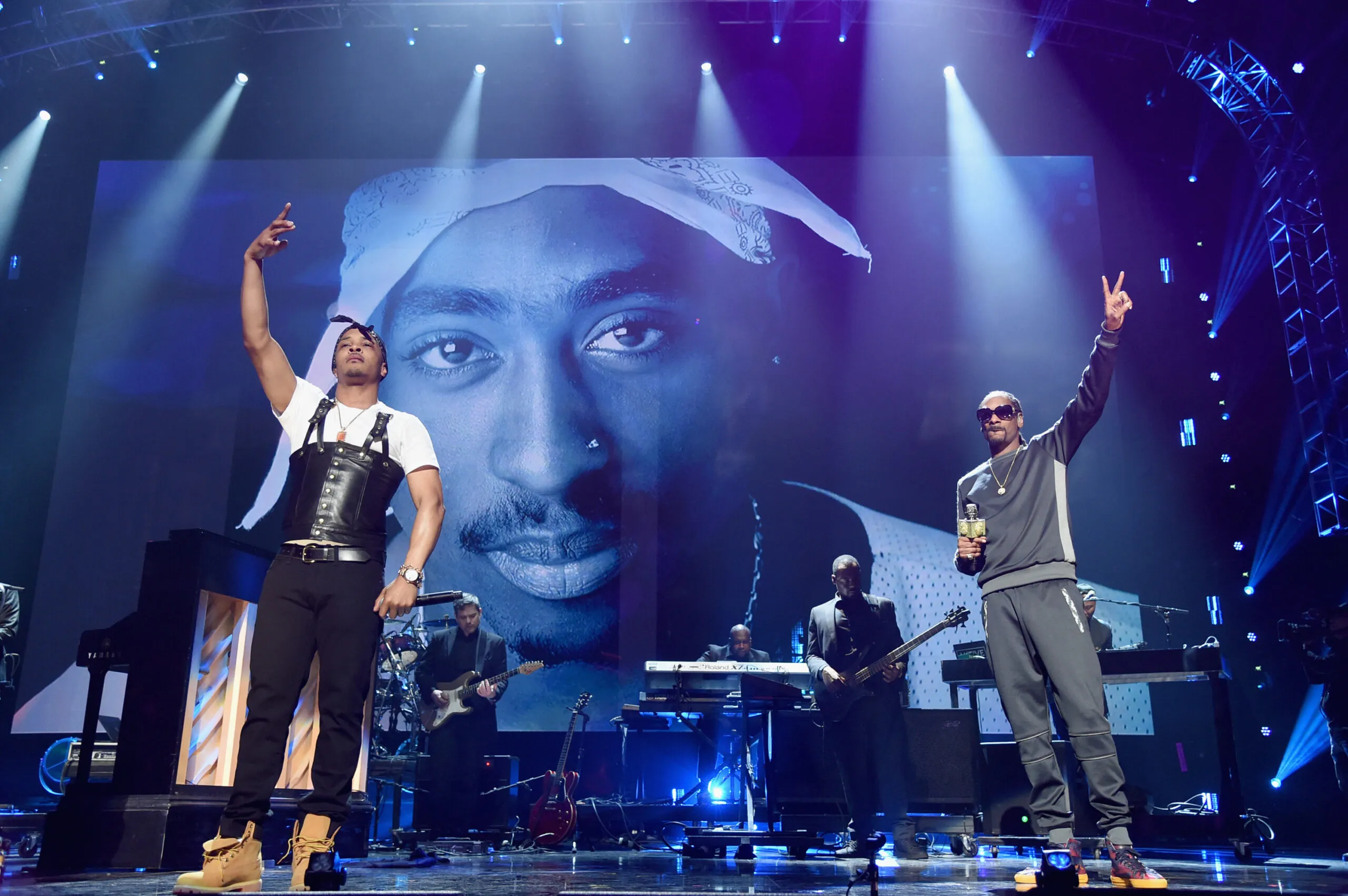
Inducted into the Rock & Roll Hall of Fame
⌖ Barclays Center, Brooklyn, New York
Tupac was posthumously inducted into the Rock & Roll Hall of Fame during his first year of eligibility. Snoop Dogg delivered the induction speech, and several performers participated in a musical tribute. The induction formally recognized Tupac’s enduring effect on hip-hop, songwriting, political expression and popular culture.
- September 29, 2023
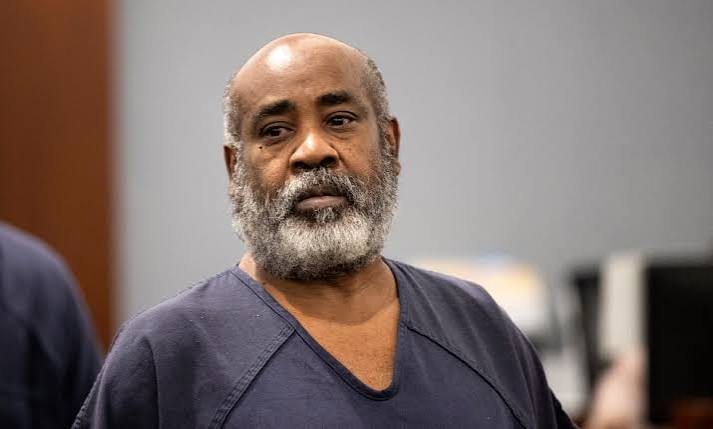
First Murder Charge Filed in Tupac’s Killing
⌖ Las Vegas, Nevada
Nevada authorities arrested and indicted Duane “Keffe D” Davis, the first person formally charged in connection with Tupac’s murder. Prosecutors allege that Davis participated in planning the retaliation and supplied the firearm used in the attack. Davis has pleaded not guilty, and the allegation remains unproven unless established in court
- August 10, 2026
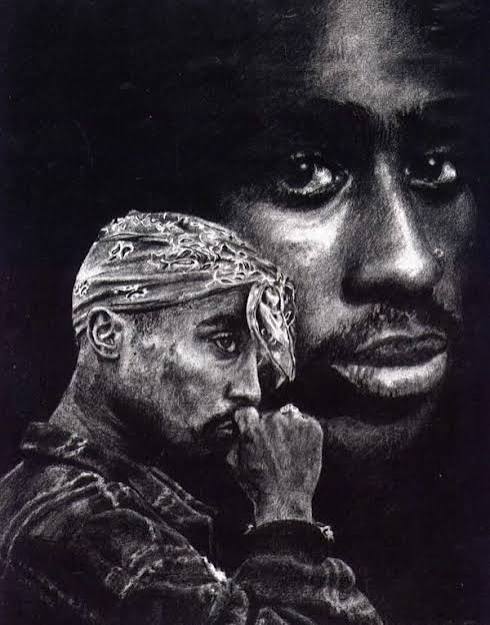
Murder Case Moves Toward Trial
⌖ Clark County District Court, Las Vegas, Nevada
The trial of Duane Davis is scheduled to begin on August 10, 2026. In June 2026, the judge ruled that Davis’s 2019 memoir could be introduced as evidence. Davis remains accused—not convicted—of murder with a deadly weapon in connection with Tupac’s death. The proceeding represents the most significant legal development in the case since the 1996 shooting.