
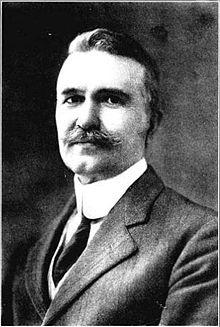
In loving memory of
William Philip Spratling
October 13, 1863 — December 22, 1915
William P. Spratling (1863–1915) was a pioneering American neurologist whose work on epilepsy shaped early care and institutions — a devoted physician and leader remembered for his humane approach to patients.
Remembering William
A life held close in memory
Dr. William Philip Spratling, born October 13, 1863, was a leading American neurologist whose career focused on understanding and improving care for people with epilepsy. Trained in medicine and known for clear, compassionate leadership, Dr. Spratling served as superintendent of the Craig Colony for Epileptics in Sonyea, New York, and played a central role in founding and guiding professional efforts to study epilepsy in the United States. His 1904 book, Epilepsy and Its Treatment, and his stewardship of the National Association for the Study of Epilepsy helped shape early clinical thought and institutional care for patients long marginalized by society.
Colleagues and contemporaries recognized Dr. Spratling for combining scholarly rigor with practical reforms: he worked to organize treatment, training, and residential care so that people with seizures could receive steady, humane attention. He contributed to medical literature and professional organizations and edited proceedings that helped establish standards for clinical practice in neurology and epilepsy care.
Later in life Dr. Spratling retired to Florida after suffering a nervous breakdown. He died on December 22, 1915, in Welaka, Florida, of a gunshot wound sustained while hunting. Contemporary notices described his passing as an accidental and deeply felt loss to the medical community. Though his death was sudden, Dr. Spratling left a body of work and an institutional legacy — and a family line that included a son who became known in the arts.
Remembered for advancing both the science and the compassion of neurological care, William P. Spratling’s influence continued in the institutions and professional communities he helped found. His efforts improved understanding and treatment of epilepsy at a time when patients often lacked organized care, and his leadership remains part of the history of American neurology.
Shared moments
From the gallery
Words from family and friends
Recent remembrances
William will be remembered with love and care. May the memories shared here keep a meaningful part of William's life close to everyone who carries that memory forward.