
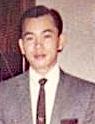
In loving memory of
John Loui
February 19, 1983
John S. Loui was a Cantonese-speaking community member and the manager of Seattle’s Wah Mee Club, remembered for his role in the neighborhood he served and the life he led before his death on Feb. 19, 1983.
Their life, in the words of those who remember
The story of John Loui
John S. Loui (aged 48 at his death) is remembered primarily through his long association with Seattle’s International District, where he worked as the manager of the Wah Mee Club at the Louisa Hotel. Cantonese-speaking and active in a neighborhood shaped by small businesses, restaurants and social clubs, Loui’s daily life was centered on the informal social world of the club — a place where people gathered after hours to play games and spend time together.
Colleagues and neighbors knew the Wah Mee as a local gathering spot; as manager, Loui would have been one of the people who kept the club running and who knew many of the patrons by name. Contemporary reporting identifies him as a member of the community whose life and work were rooted in the International District’s long history as a meeting place for Chinese Seattleites and other Asian Americans who found social connection there.
On February 19, 1983, John S. Loui died of wounds he suffered during the Wah Mee shootings. His death is recorded in multiple contemporary accounts of the event; even while those reports understandably focus on the tragedy that night, they also make clear that Loui was a person with a day-to-day role in a close-knit neighborhood. Local recollections and later histories note how the killings reverberated through the International District, affecting families, business owners and friends who had known the victims in ordinary, human ways.
Because no family-published obituary matching his name and the exact date of death was located in the public record during this research, what remains most available about John S. Loui in reliable sources is his role in the community and the fact of his death. That limited public record should not obscure the truth that he was an individual whose work and presence mattered to others: a manager who kept a neighborhood gathering place running, a Cantonese-speaking member of Seattle’s International District, and part of the human fabric of the city he lived in. This page honors him by centering those human roles rather than the violence of his final hours.
Places held in memory
Life and resting place
- Remembered from
- Seattle, WA